

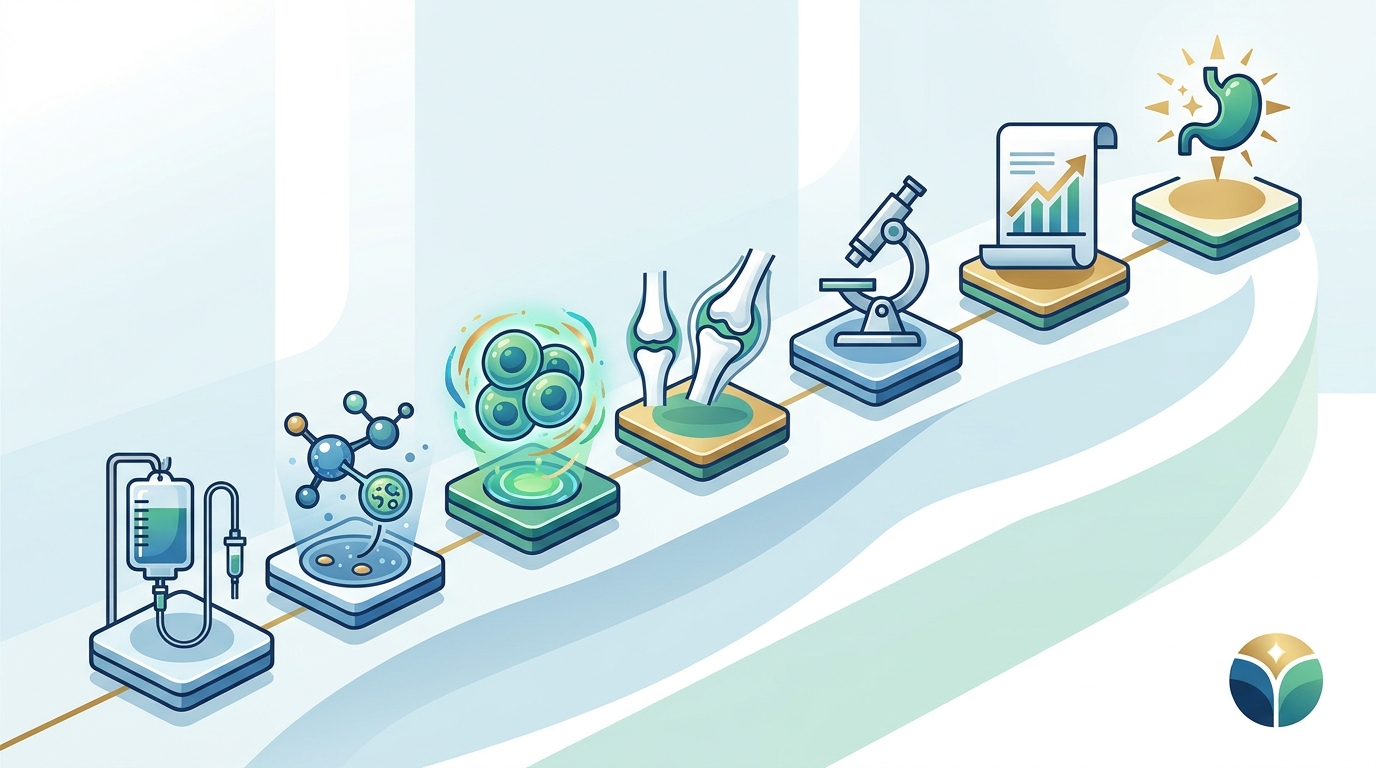
Regenerative medicine is a multidisciplinary field of medicine whose goal is to heal tissues and organs and restore functions that have been lost due to aging, disease, damage, or defects. Patients often wonder how long it takes to see results from therapies like stem cells, exosomes, or IV infusions. This guide outlines the realistic timeline for measurable outcomes, from immediate relief to long-term structural repair.
1. Immediate Hydration and Nutrient Absorption
First 24 to 48 hours: Rapid energy and hydration boost.
When you receive IV therapy, the nutrients enter your bloodstream directly, bypassing the digestive system. This ensures maximum absorption and immediate benefits for conditions like chronic fatigue or dehydration. You may feel a noticeable increase in energy and mental clarity within a day or two of the infusion.
2. Reduction in Acute Inflammation
Week 1 to 2: Decreased swelling and pain sensitivity.
Therapies such as StemWave therapy use high-energy sound waves to stimulate blood flow and reduce inflammation. In the first two weeks, patients often report a significant drop in acute pain and swelling. This initial phase is critical for preparing the tissue for deeper healing processes.
3. Early Tissue Repair Signals
Week 3 to 6: Improved mobility and reduced stiffness.
As regenerative therapies like PRP or shockwave therapy take effect, the body begins to repair damaged tissues. You may notice that joints feel less stiff and that you can move through your daily range of motion with less discomfort. This is a sign that the body's natural healing response is being activated.
4. Hormonal and Metabolic Stabilization
Month 2 to 3: Balanced energy and mood.
For patients undergoing hormone therapy, it takes time for the body to adjust to new hormone levels. By the second or third month, you should see stabilized energy levels, improved sleep quality, and better mood regulation. This milestone indicates that your endocrine system is responding well to the personalized treatment plan.
5. Structural Tissue Regeneration
Month 3 to 6: Visible improvement in tissue health.
Advanced treatments like stem cell therapy work by promoting the regeneration of healthy tissue. Over the first six months, you may see measurable improvements in joint function and reduced pain during physical activity. This phase involves the actual rebuilding of cartilage, tendons, or other damaged structures.
6. Long-Term Functional Independence
Month 6 to 12: Sustained pain relief and activity levels.
By the end of the first year, the goal is to achieve sustained functional independence. Patients often report that they can return to hobbies, sports, or work activities that were previously limited by pain. This milestone confirms that the regenerative treatments have provided a durable solution rather than just temporary relief.
7. Long-Term Cellular Health and Aging
Year 1 and Beyond: Slowed aging and improved resilience.
Over the long term, therapies like exosome therapy may help slow aspects of biological aging and support cellular health. You may notice improved resilience to stress, faster recovery from minor injuries, and overall better health markers. This final milestone reflects the cumulative benefit of supporting your body's innate healing capacity over time.
Choosing the Right Timeline for Your Goals
Selecting the appropriate treatment depends on your specific condition and goals. For immediate energy, IV therapy is ideal. For structural repair, stem cells or PRP may be better. At The Dynamic Care Clinic, we tailor your plan to match your timeline and health objectives.
Frequently Asked Questions
How long does it take to see results from stem cell therapy?
Most patients begin to notice improvements in pain and mobility within 3 to 6 weeks. However, full tissue regeneration can take up to 6 months or longer, depending on the severity of the condition.
Is IV therapy effective for chronic fatigue?
Yes, IV therapy delivers essential nutrients directly to the bloodstream, which can provide immediate relief from fatigue and improve energy levels within 24 to 48 hours.
Can regenerative medicine cure chronic diseases?
Regenerative medicine aims to restore function and heal tissues, but it is not a cure for all chronic diseases. It works best when combined with lifestyle changes and conventional medical care to manage symptoms and improve quality of life.
How often do I need to repeat regenerative treatments?
The frequency depends on the specific therapy and your response. Some treatments, like IV therapy, may be needed monthly, while others, like stem cell injections, may be a one-time procedure with follow-up monitoring.
What is the difference between exosomes and stem cells?
Stem cells are living cells that can develop into different cell types, while exosomes are tiny vesicles that contain signaling molecules. Exosomes do not involve using donor cells in your body, making them a different mechanism for promoting healing.
Where can I find regenerative medicine in Gig Harbor?
The Dynamic Care Clinic in Gig Harbor, WA, offers a range of regenerative treatments, including stem cells, exosomes, and IV therapy, led by experienced medical professionals.