

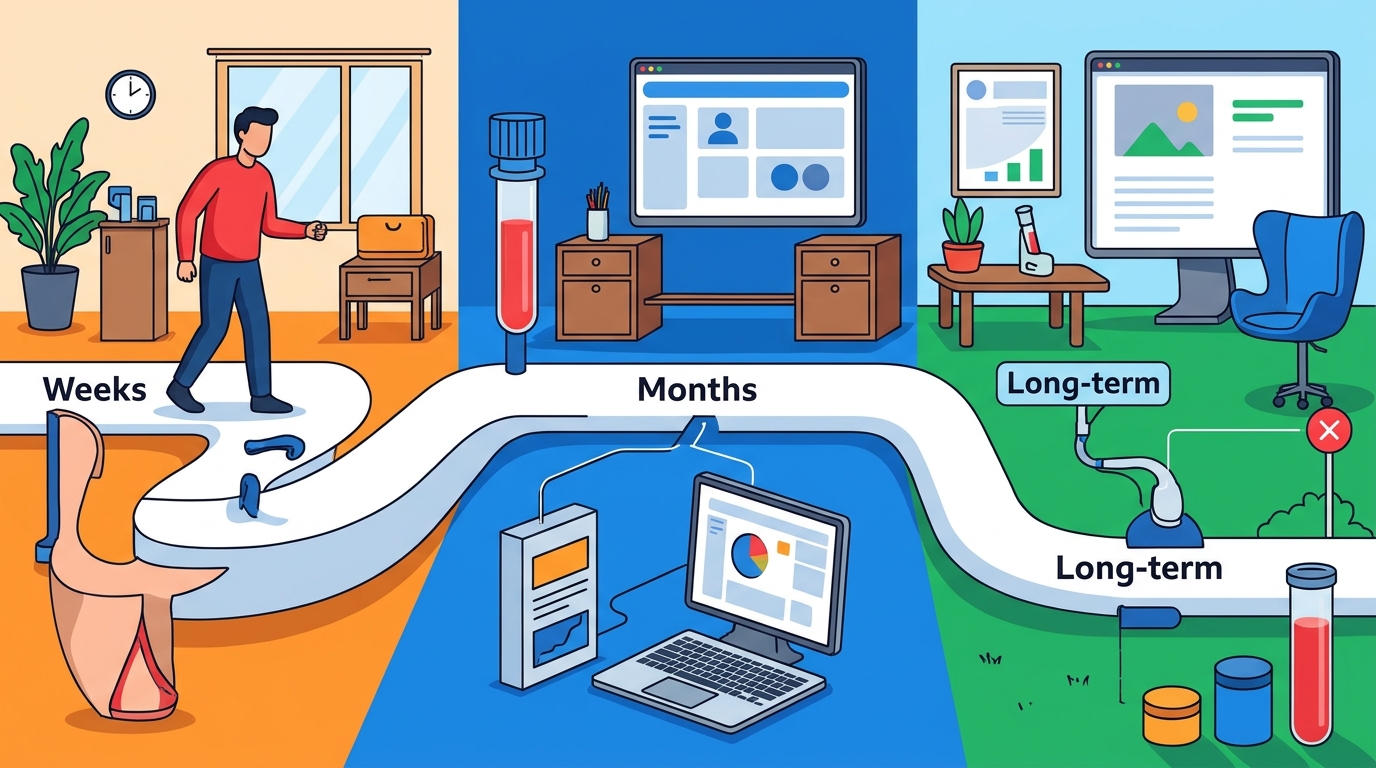
Regenerative treatment improvements typically manifest as reduced pain and increased mobility within weeks, with structural tissue repair occurring over months. At The Dynamic Care Clinic, we focus on measurable functional gains rather than unverified promises. Patients often report significant quality-of-life enhancements as the body's natural healing mechanisms are supported and optimized.
Early Phase Responses: The First 4 to 8 Weeks
The initial phase of regenerative care focuses on reducing inflammation and stimulating blood flow. Extracorporeal Shock Wave Therapy (ESWT) is a common modality used during this period to deliver high-energy sound waves to affected areas. This process encourages the body to increase circulation to the injured site, which is a critical first step in healing. Patients often notice a decrease in acute pain levels within the first few weeks of consistent treatment.
During this early window, the primary goal is to break the cycle of chronic pain and stiffness. For example, a patient with chronic plantar fasciitis may experience a reduction in morning heel pain after a series of shockwave sessions. This early relief is not a cure, but it signals that the tissue is responding to the stimulus. The implication for the patient is that they can begin to reintroduce gentle movement, which is essential for long-term recovery.
Mid-Term Functional Gains: Months 2 to 6
As the initial inflammation subsides, the body enters a phase of active tissue repair. Platelet-Rich Plasma (PRP) therapy is frequently utilized during this stage to accelerate the regeneration of tendons and ligaments. PRP contains over 40 different healing substances that stimulate the body's own repair cells. Over the course of several months, patients often report improved strength and flexibility in the treated area.
A concrete example of this mid-term improvement is seen in patients with tennis elbow. After the initial pain reduction, these individuals typically regain the ability to grip objects firmly and perform daily tasks without discomfort. This functional gain is a key indicator that the regenerative process is working. The implication is that patients can return to recreational activities and work duties with greater confidence and less fear of re-injury.
Long-Term Structural Repair: Beyond 6 Months
Long-term outcomes in regenerative medicine involve the remodeling and strengthening of tissue. Stem cell therapy plays a significant role in this phase by providing cells that can differentiate into the specific tissue types needed for repair. This process is slow and requires patience, as the body takes time to integrate new cells and rebuild structural integrity. Patients may continue to see improvements in joint stability and reduced stiffness over a period of one to two years.
For individuals with degenerative joint conditions, such as osteoarthritis, the long-term goal is to maintain function and delay the need for surgical intervention. A patient with knee osteoarthritis might report that their knee feels more stable and less painful during long walks after a year of combined regenerative therapies. This sustained improvement highlights the potential of regenerative care to alter the trajectory of degenerative diseases. The implication is a more active and independent lifestyle in the long run.
Individual Variability and Factors Influencing Outcomes
It is crucial to understand that regenerative treatment outcomes are not uniform. Factors such as age, overall health, and the severity of the condition significantly influence the speed and extent of improvement. Functional medicine approaches, which are often integrated with regenerative care, help identify and address underlying metabolic or hormonal imbalances that may hinder healing. By optimizing these internal systems, the body is better equipped to respond to regenerative therapies.
For instance, a patient with unmanaged diabetes may experience slower wound healing and tissue repair compared to a patient with well-controlled blood sugar levels. This variability means that realistic expectations must be tailored to the individual. The implication is that a personalized care plan, which includes lifestyle modifications and nutritional support, is essential for achieving the best possible long-term results.
Key Takeaways
- Early improvements in pain and mobility are often seen within the first 4 to 8 weeks of treatment.
- Mid-term functional gains, such as increased strength and flexibility, typically occur between months 2 and 6.
- Long-term structural repair and tissue remodeling can take over 6 months to a year or more.
- Regenerative therapies like ESWT, PRP, and stem cell therapy work by stimulating the body's natural healing processes.
- Individual factors such as age, health status, and lifestyle significantly influence treatment outcomes.
- Combining regenerative care with functional medicine and lifestyle changes can enhance overall results.
Frequently Asked Questions
How long does it take to see results from regenerative treatment?
Results vary, but many patients notice pain reduction within weeks. Significant functional improvements often take several months, with long-term structural changes occurring over a year or more.
Is regenerative treatment a cure for chronic pain?
Regenerative treatment aims to restore function and reduce pain by supporting natural healing. It is not a guaranteed cure for all conditions, but it can lead to substantial and lasting improvements in quality of life.
What is the role of PRP in long-term recovery?
PRP provides growth factors that stimulate tissue repair. It is most effective when used in the mid-term phase of recovery to accelerate the regeneration of tendons and ligaments.
Can stem cell therapy improve joint function over time?
Yes, stem cell therapy can support the repair of damaged cartilage and joint tissues. Long-term improvements in joint stability and reduced stiffness are common outcomes for eligible patients.
How does functional medicine support regenerative care?
Functional medicine addresses underlying health issues like inflammation and metabolic imbalances. By optimizing overall health, the body is better able to respond to regenerative therapies.
Are the improvements from regenerative treatment permanent?
While regenerative treatments can lead to lasting improvements, maintaining results often requires ongoing healthy lifestyle habits. Regular follow-up care can help sustain the benefits over time.
Conclusion
Realistic improvements from regenerative treatment are a gradual process that unfolds over weeks, months, and years. By understanding the phases of healing and the specific roles of therapies like shockwave, PRP, and stem cells, patients can set informed expectations. At The Dynamic Care Clinic, we are committed to guiding you through this journey with personalized care and evidence-based approaches. To begin your path toward restored vitality, schedule an appointment with our team today.