

Platelet-rich plasma (PRP) injections involve drawing a small amount of your blood, spinning it in a centrifuge to concentrate the platelets, and injecting that plasma into an injured area. This process delivers a high dose of growth factors directly to the tissue to stimulate natural healing. At The Dynamic Care Clinic, we use this regenerative approach to support the body's innate repair mechanisms without the use of synthetic drugs or surgery.
Understanding the Science Behind PRP
Platelet-rich plasma is a concentrated form of your own blood plasma that contains a higher density of platelets than normal blood. These platelets are not just involved in clotting; they are packed with growth factors that play a critical role in tissue repair. When injected into a damaged site, these growth factors signal the body to accelerate the healing process.
The biological mechanism is straightforward. Once the plasma is injected, the platelets degranulate, releasing proteins that recruit stem cells and other repair cells to the area. This creates a localized environment conducive to regeneration. For patients dealing with chronic pain or slow-healing injuries, this biological boost can be the difference between stagnation and progress.
The Role of Growth Factors
Specific growth factors, such as platelet-derived growth factor (PDGF) and vascular endothelial growth factor (VEGF), are key to the process. PDGF helps stimulate cell division, while VEGF promotes the formation of new blood vessels. This dual action ensures that the injured tissue receives both the cellular material and the blood supply needed for robust recovery.
The Step-by-Step Procedure
Undergoing a PRP injection is a minimally invasive procedure that typically takes place in a clinical setting. The process begins with a consultation where your provider evaluates your injury and determines if you are a suitable candidate. If approved, the actual injection process is relatively quick and straightforward.
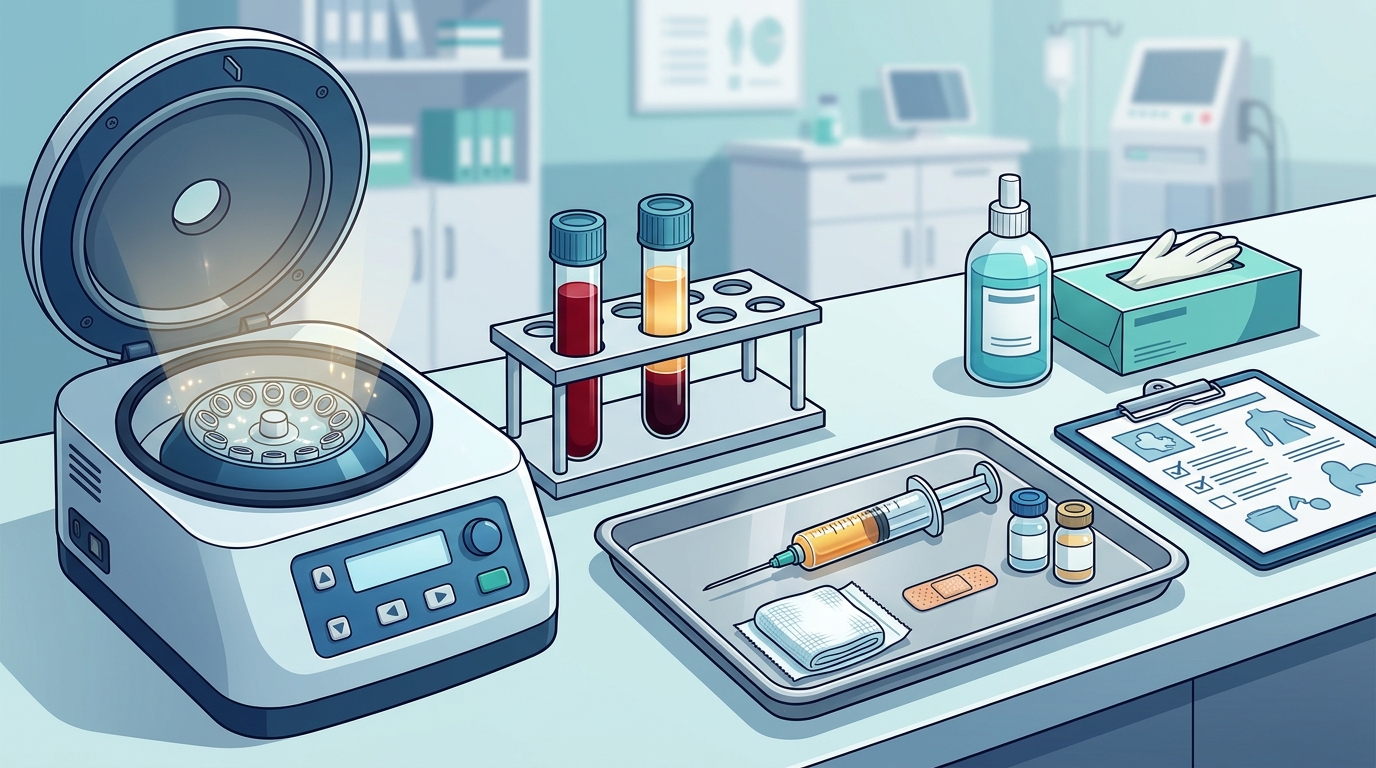
First, a small sample of blood, usually between 10 and 60 milliliters, is drawn from your arm. This blood is then placed into a centrifuge, a machine that spins at high speeds to separate the blood components. The centrifugation process separates the blood into three layers: red blood cells at the bottom, platelet-poor plasma at the top, and the concentrated platelet-rich plasma in the middle. This middle layer is what gets extracted and prepared for injection.
Preparation and Injection
Recovery and Post-Injection Care
Recovery from a PRP injection is generally faster than from surgical interventions, but it is not instantaneous. Most patients can return to light activities immediately, though strenuous exercise or heavy lifting is typically restricted for a few days to a week. The goal is to protect the healing tissue while allowing the growth factors to work.
It is common to experience mild soreness or swelling at the injection site for 24 to 72 hours. This is a normal inflammatory response and indicates that the healing process has begun. Over-the-counter anti-inflammatory medications are often discouraged immediately after the procedure, as they may interfere with the initial inflammatory phase that is necessary for tissue repair. Your provider will give you specific instructions on pain management and activity restrictions.
Timeline for Results
While some patients feel immediate relief, the full benefits of PRP therapy often develop over several weeks. The biological remodeling of tissue takes time. You may notice gradual improvements in pain levels and range of motion over the course of four to twelve weeks. Patience is key, as the body needs time to rebuild the damaged structures.
Who Is a Good Candidate?
PRP injections are most effective for patients with chronic musculoskeletal conditions that have not responded to conservative treatments like rest, physical therapy, or anti-inflammatory medications. Common conditions treated include tennis elbow, rotator cuff tendinopathy, knee osteoarthritis, and plantar fasciitis. The therapy is particularly useful for degenerative conditions where the tissue has lost its ability to heal on its own.
However, not everyone is a candidate. Patients with active infections, bleeding disorders, or those taking certain blood-thinning medications may not be suitable for PRP. A thorough medical history review is essential to ensure safety and efficacy. At The Dynamic Care Clinic, we assess each patient's unique health profile to determine if PRP aligns with their overall regenerative care plan.
Combining PRP with Other Therapies
PRP is often part of a broader regenerative medicine strategy. It can be combined with other treatments, such as stem cell therapy or StemWave shockwave therapy, to enhance outcomes. This multimodal approach addresses different aspects of healing, from cellular regeneration to mechanical stimulation, providing a comprehensive path to recovery.
The Dynamic Care Clinic Approach
At The Dynamic Care Clinic, we view PRP not as a standalone fix, but as a tool within a personalized healing journey. Our providers take the time to understand your goals, lifestyle, and medical history. We believe that healing works best when medicine listens to the body and supports its natural ability to restore itself. Our warm, welcoming space is designed to make you feel comfortable and informed throughout the process.
We integrate PRP with other advanced therapies, including IV therapy for nutritional support and hormone therapy to address underlying imbalances that may affect healing. This holistic perspective ensures that we are not just treating the symptom, but supporting the whole person. If you are considering PRP, we encourage you to explore how it fits into your broader health strategy.
Key Takeaways
- PRP injections use your own blood to deliver concentrated growth factors to injured tissue.
- The procedure is minimally invasive, involving a blood draw, centrifugation, and a targeted injection.
- Mild soreness and swelling are normal side effects that typically resolve within a few days.
- Full results may take several weeks as the tissue remodels and heals.
- PRP is most effective for chronic, degenerative conditions that have resisted conservative care.
- Combining PRP with other regenerative therapies can enhance overall outcomes.
Frequently Asked Questions
Does a PRP injection hurt?
The injection itself is usually no more painful than a standard blood draw or local anesthetic injection. Most providers use a topical numbing agent to minimize discomfort. You may feel a slight sting during the injection and some soreness afterward, but this is generally manageable with over-the-counter pain relief.
How long does the PRP procedure take?
The entire process, from consultation to injection, typically takes less than an hour. The blood draw and centrifugation steps are quick, and the injection itself takes only a few minutes. You can usually go home the same day and resume light activities.
How many PRP injections will I need?
Many patients achieve significant improvement with a single PRP injection. However, some conditions may benefit from a series of treatments spaced several weeks apart. Your provider will recommend a treatment plan based on the severity of your injury and your response to the initial injection.
Can I take ibuprofen after a PRP injection?
It is generally recommended to avoid non-steroidal anti-inflammatory drugs (NSAIDs) like ibuprofen for 24 to 48 hours after the injection. These medications can inhibit the initial inflammatory response that is necessary for the growth factors to work effectively. Acetaminophen is usually a safer alternative for pain management.
Is PRP safe for everyone?
PRP is considered safe for most people because it uses your own blood. However, it is not suitable for everyone. Patients with active infections, certain blood disorders, or those on specific blood thinners may not be candidates. A thorough medical evaluation is necessary to determine if you are a good fit for the treatment.
How is PRP different from cortisone shots?
Cortisone shots are anti-inflammatory injections that provide short-term pain relief by suppressing inflammation. PRP injections, on the other hand, are regenerative treatments that aim to stimulate long-term tissue healing and repair. While cortisone may provide quick relief, PRP focuses on restoring the function and structure of the injured tissue.
Start Your Healing Journey
PRP injections offer a promising, natural approach to treating chronic pain and promoting tissue repair. By leveraging your body's own healing potential, this therapy can help you regain function and improve your quality of life. If you are ready to explore regenerative options, contact our team to schedule a consultation and discuss how PRP can fit into your personalized care plan.