

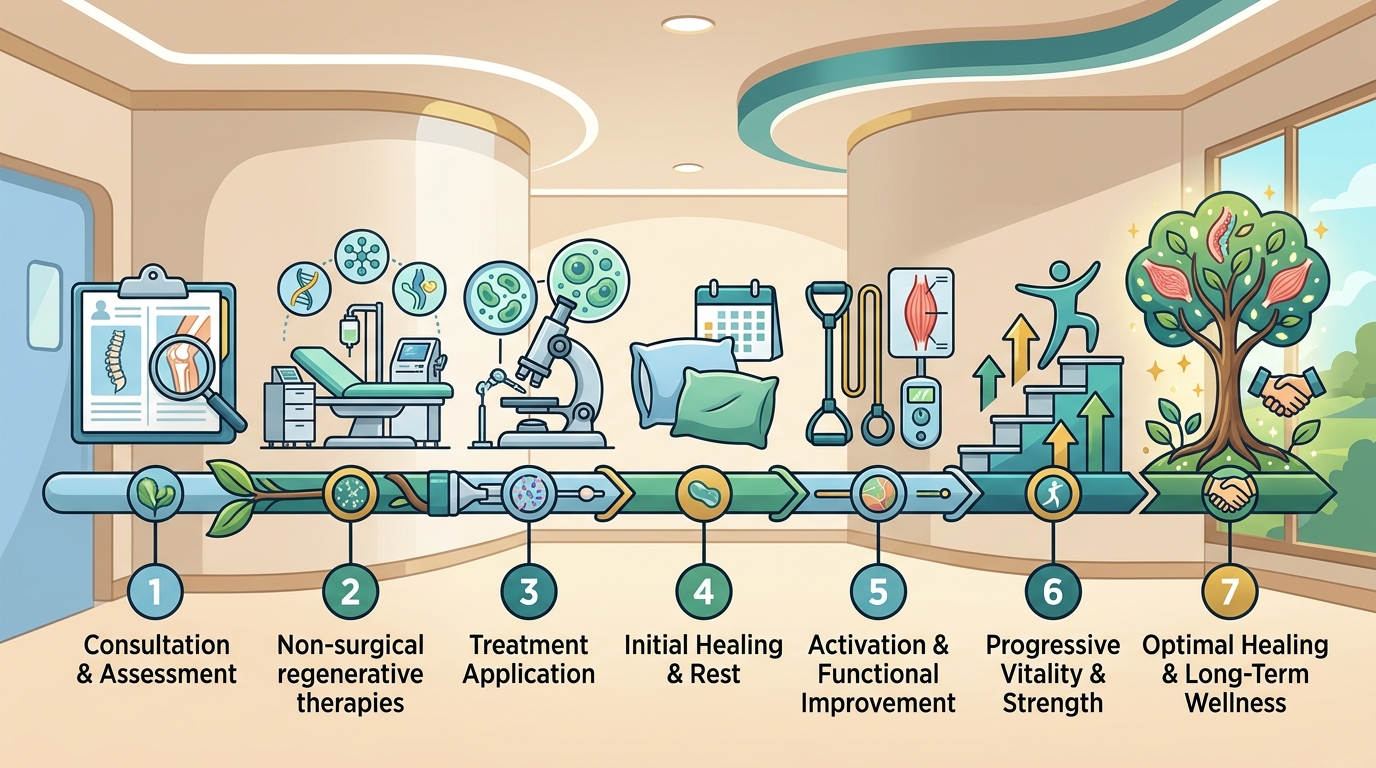
Regenerative medicine is a multidisciplinary field designed to heal tissues and restore functions lost due to aging, disease, or damage. Unlike conventional approaches that often manage symptoms, regenerative care focuses on the root causes of illness using the body's natural healing systems. Understanding the timeline of recovery helps set realistic expectations and supports long-term adherence to your wellness plan.
1. Immediate Hydration and Nutrient Absorption
Immediate relief from fatigue and dehydration is often the first noticeable change. When nutrients are delivered directly into the bloodstream via IV therapy, they bypass the digestive system entirely. This direct delivery ensures maximum absorption of vitamins and minerals, providing an immediate boost to energy levels. Patients often report feeling more alert and hydrated within hours of the session.
2. Reduction in Acute Inflammation
Noticeable decreases in swelling and localized pain typically occur within the first few days. Treatments such as exosome therapy and platelet-rich plasma (PRP) introduce bioactive molecules that actively reduce inflammation. These components help calm the immune response in damaged tissues, leading to a significant reduction in acute pain and swelling shortly after the procedure.
3. Improved Sleep Quality and Mood Stability
Enhanced sleep patterns and stabilized mood are common early indicators of systemic healing. As the body begins to repair itself, the reduction in chronic pain and inflammation often leads to better sleep quality. Hormonal balance, supported by bioidentical hormone therapy, further contributes to improved mental clarity and emotional stability during this phase.
4. Increased Range of Motion and Flexibility
Patients typically regain functional mobility and flexibility within two to four weeks. As tissues begin to repair, stiffness decreases, allowing for a greater range of motion. This milestone is particularly significant for those treating joint injuries, tendonitis, or chronic musculoskeletal pain. The restoration of function allows patients to resume daily activities with less discomfort.
5. Sustained Energy Levels and Metabolic Improvement
Long-term energy stability and improved metabolic health emerge as the body adapts to new nutrient levels. Over several weeks, the cumulative effect of nutritional support and mitochondrial health improvements leads to sustained energy. This phase marks a shift from temporary relief to a more stable baseline of vitality and metabolic efficiency.
6. Tissue Regeneration and Structural Repair
Measurable tissue repair and structural integrity improvements are evident in follow-up assessments. Advanced therapies like stem cell and exosome treatments stimulate the regeneration of cartilage, bone, and soft tissue. This structural repair is the core goal of regenerative medicine, aiming to restore the physical architecture of damaged areas rather than just masking symptoms.
7. Long-Term Resilience and Preventive Health
Final milestones include enhanced resilience against future injuries and improved overall health markers. By addressing the root causes of degeneration, regenerative care helps build a foundation for long-term wellness. Patients often experience a reduced frequency of flare-ups and a greater capacity to handle physical stress, supporting a proactive approach to aging and health maintenance.
Choosing the Right Milestone Focus
Selecting the appropriate regenerative therapy depends on your specific health goals and the nature of your condition. For immediate energy and hydration, IV therapy is often the starting point. For structural repair and long-term joint health, stem cell and exosome therapies may be more suitable. A personalized assessment by a healthcare professional ensures that your treatment plan aligns with your unique physiological needs and desired outcomes.
Frequently Asked Questions
How long does it take to see results from regenerative medicine?
Results vary by treatment type. IV therapy provides immediate effects, while tissue repair from stem cell or exosome therapy may take several weeks to months to become fully apparent.
Is regenerative medicine safe for all patients?
Regenerative treatments are generally safe but require a thorough medical evaluation. A healthcare provider will assess your medical history to determine if you are a suitable candidate for specific therapies.
What is the difference between PRP and exosome therapy?
PRP uses your own platelets to stimulate healing, while exosome therapy uses vesicles derived from stem cells to enhance cell-to-cell communication and repair. Both aim to reduce inflammation and promote tissue regeneration.
Can regenerative care replace conventional medicine?
Regenerative medicine complements conventional treatments by addressing root causes. It is often used alongside standard care to provide a more comprehensive approach to health and healing.
How many sessions are typically required?
The number of sessions depends on the condition being treated and the specific therapy used. Some conditions require a single session, while others may benefit from a series of treatments for optimal results.
Start Your Healing Journey
At The Dynamic Care Clinic, we are dedicated to helping you achieve optimal health through personalized regenerative therapies. Our team, led by Dr. Les Griffith, provides expert guidance to ensure your treatment plan aligns with your unique health goals. To schedule a consultation and explore the right regenerative care options for you, request an appointment today.