

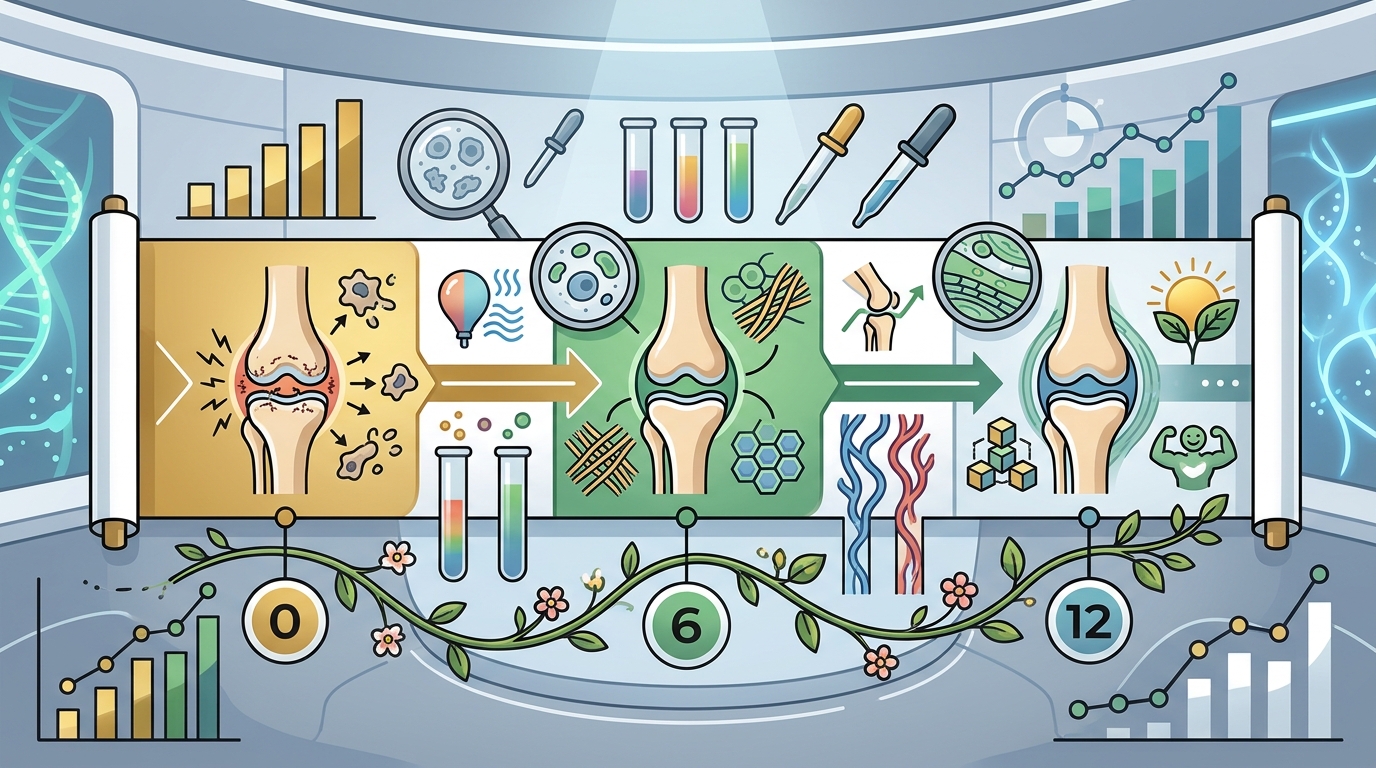
Regenerative treatment is a gradual biological process, not an immediate fix. Over six months to a year, patients typically experience progressive tissue repair, reduced inflammation, and improved functional capacity. At The Dynamic Care Clinic, we emphasize that healing follows a predictable physiological curve where early sessions prime the body, and later months consolidate structural gains. This timeline allows the body to rebuild damaged tissues using its own natural mechanisms, leading to sustainable results rather than temporary symptom masking.
The Initial Phase: Priming and Inflammation Control
The first few weeks of regenerative therapy focus on reducing acute inflammation and signaling the body to begin repair. Regenerative medicine is a multidisciplinary field that aims to restore lost function by stimulating the body's innate healing systems. During this phase, patients often notice a reduction in pain and swelling. For example, a patient with chronic tendonitis may experience a 20% decrease in pain intensity within the first month. This initial improvement is crucial because it creates a favorable environment for tissue regeneration. The goal is not to eliminate all symptoms immediately but to shift the biological state from degradation to repair.
Mid-Term Progress: Tissue Regeneration and Cellular Activity
Between months two and four, the body begins to produce new tissue and repair damaged structures. This phase involves the activation of stem cells and the release of growth factors that promote cellular communication. Stem cell therapy involves the use of undifferentiated cells that can develop into specialized cell types to repair damaged tissues. Patients may notice improved range of motion and strength during this period. A specific example is a patient with knee osteoarthritis who, after three months of exosome therapy, reports a significant improvement in walking distance without pain. This mid-term phase is where the biological machinery of healing becomes most active, laying the foundation for long-term structural changes.
Long-Term Consolidation: Structural Stability and Function
From month six to year one, the focus shifts to consolidating the gains made in earlier phases. The new tissue matures, becoming stronger and more resilient. This period is critical for ensuring that the repairs are durable and that the body maintains its improved function. Patients often report that their quality of life has stabilized at a higher level than before treatment. For instance, an individual with chronic back pain may find that they can maintain an active lifestyle with minimal discomfort after a year of consistent care. This long-term phase demonstrates the sustainability of regenerative approaches, as the body continues to self-maintain the repaired tissues.
Factors Influencing Individual Outcomes
While the general timeline is consistent, individual outcomes vary based on several factors. Age, overall health, and the severity of the condition all play a role in the speed and extent of recovery. Exosome therapy utilizes extracellular vesicles that deliver bioactive molecules to stimulate healing and reduce inflammation. Patients with better baseline health and consistent adherence to lifestyle recommendations tend to see faster and more robust results. It is important to manage expectations by understanding that healing is a personal journey. Factors such as nutrition, sleep, and stress management can significantly impact the healing process. At The Dynamic Care Clinic, we tailor each treatment plan to account for these individual variables, ensuring that the timeline aligns with the patient's unique biological profile.
Monitoring Progress and Adjusting Care
Regular monitoring is essential to track progress and adjust the treatment plan as needed. This involves periodic assessments of pain levels, functional capacity, and overall well-being. By tracking these metrics, we can ensure that the treatment is on track and make any necessary adjustments. For example, if a patient's progress plateaus, we may introduce additional therapies or modify the frequency of sessions. This proactive approach ensures that the patient continues to move toward their goals. The relationship between patient and provider is collaborative, with open communication about expectations and outcomes. This ongoing dialogue helps to maintain motivation and ensures that the treatment remains aligned with the patient's long-term health objectives.
Key Takeaways
- Regenerative treatment is a gradual process that typically shows initial improvements in pain and inflammation within the first month.
- Mid-term progress (months 2-4) involves active tissue regeneration and improved functional capacity.
- Long-term consolidation (months 6-12) focuses on structural stability and durable results.
- Individual outcomes vary based on age, health status, and adherence to lifestyle recommendations.
- Regular monitoring and communication with your provider are essential for tracking progress and adjusting care.
- Regenerative medicine aims for sustainable healing rather than temporary symptom relief.
Frequently Asked Questions
How long does it take to see results from regenerative therapy?
Initial improvements in pain and inflammation are often seen within the first few weeks. Significant functional gains typically occur between months two and four, with long-term consolidation happening over six months to a year.
Is regenerative treatment a cure for chronic conditions?
Regenerative treatment aims to restore function and reduce symptoms by supporting the body's natural healing processes. It is not a cure in the traditional sense but rather a method to achieve sustainable improvement and quality of life.
What factors affect the timeline of recovery?
Factors such as age, overall health, severity of the condition, and adherence to lifestyle recommendations like nutrition and sleep can influence the speed and extent of recovery.
Can I continue my normal activities during treatment?
Most patients can continue their normal activities, but it is important to follow your provider's guidance on activity levels. Overexertion can hinder the healing process, while appropriate movement supports recovery.
How often are follow-up appointments needed?
Follow-up appointments are typically scheduled every few weeks to months, depending on the treatment plan. These visits allow for monitoring progress and adjusting the care as needed.
What is the role of lifestyle in regenerative healing?
Lifestyle factors such as nutrition, sleep, and stress management play a significant role in supporting the body's healing processes. A healthy lifestyle can enhance the effectiveness of regenerative therapies.