

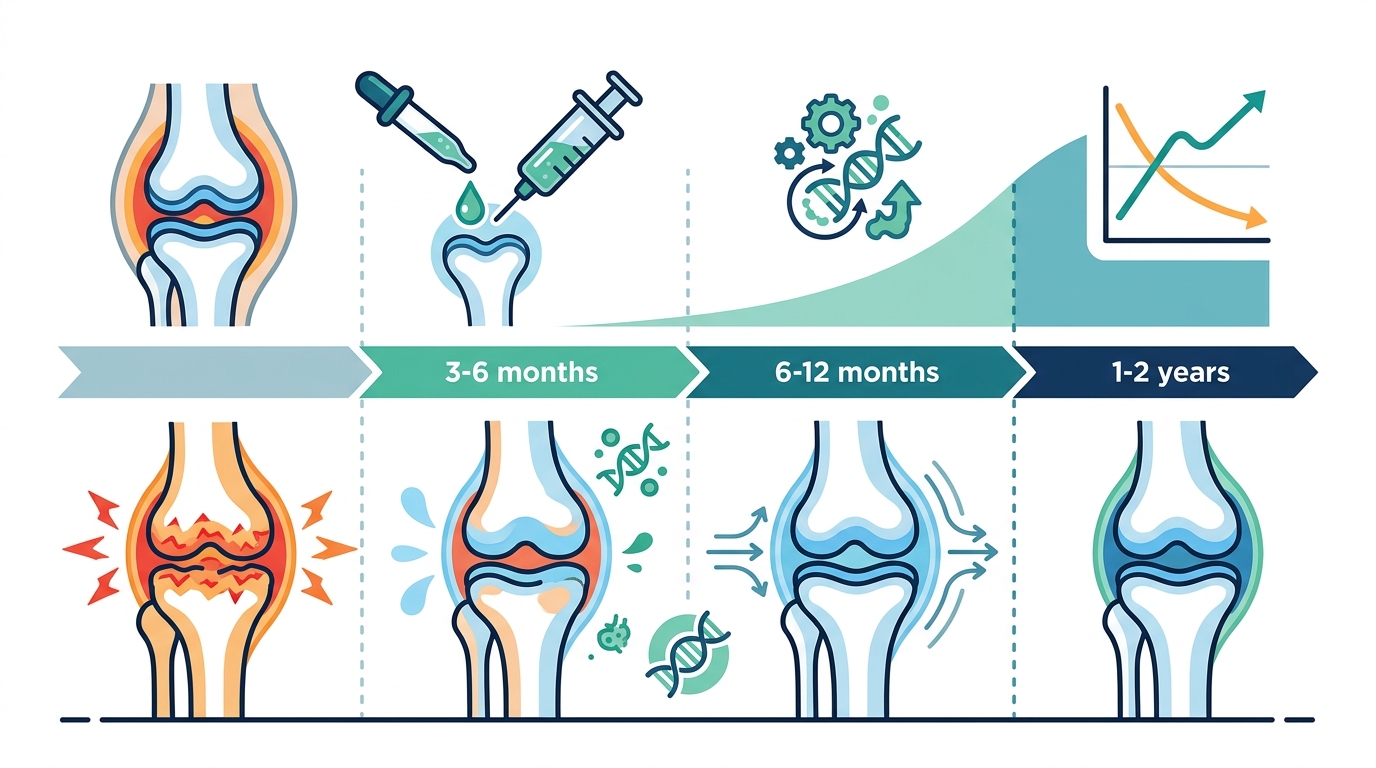
Stem cell therapy for joint pain typically yields gradual improvements in mobility and pain reduction over 3 to 6 months, with many patients reporting sustained benefits for one to two years. At The Dynamic Care Clinic, we emphasize that these treatments are not instant cures but rather biological interventions that support the body's natural repair mechanisms. Understanding the realistic timeline helps patients set appropriate expectations and manage their recovery process effectively.
The Biological Mechanism of Tissue Repair
Stem cell therapy is a regenerative treatment that uses the body's own cells or donor-derived cells to stimulate healing in damaged tissues. The primary mechanism involves paracrine signaling, where stem cells release growth factors and anti-inflammatory cytokines rather than simply differentiating into new cartilage. This biological response reduces local inflammation and creates a favorable environment for existing tissue to repair itself. For patients with osteoarthritis, this means the therapy targets the underlying inflammatory cascade that drives pain and stiffness.
The evidence suggests that the initial phase of healing occurs within the first few weeks. Patients often notice a reduction in swelling and a slight decrease in pain intensity during this period. However, the structural changes in the joint take longer to manifest. The release of bioactive molecules helps modulate the immune response, which is critical for long-term joint health. By understanding this mechanism, patients can appreciate why patience is required for full results.
Short-Term Outcomes: The First 90 Days
In the first 30 to 90 days, the most common outcome is a reduction in acute pain and inflammation. Many patients report feeling less stiffness in the morning and an improved ability to perform daily activities. This initial phase is crucial for establishing a baseline of comfort before more significant functional gains occur. The body is actively responding to the therapeutic intervention, and the local environment is becoming more conducive to healing.
It is important to note that some patients may experience a temporary increase in discomfort immediately after the procedure, which is a normal part of the healing response. This is not a sign of failure but rather an indication that the biological process has been initiated. At The Dynamic Care Clinic, we guide patients through this phase with clear expectations and supportive care. The goal during this period is to manage symptoms while the underlying repair processes begin to take hold.
Medium-Term Gains: Months 3 to 6
Between three and six months, patients often experience more significant improvements in joint function and range of motion. This is when the cumulative effects of the anti-inflammatory and regenerative signals become more apparent. Many individuals report being able to engage in physical activities that were previously limited by pain. The joint becomes more stable, and the surrounding muscles and ligaments benefit from the improved mechanical environment.
During this phase, physical therapy plays a vital role in maximizing the benefits of the stem cell treatment. Strengthening the muscles around the joint helps distribute load more evenly, reducing stress on the healing tissue. The combination of biological repair and functional rehabilitation leads to more durable outcomes. Patients who actively participate in their recovery during this window tend to report higher satisfaction with their results.
Long-Term Sustainability and Maintenance
The long-term effects of stem cell therapy for joint pain can last anywhere from one to two years, depending on the severity of the initial condition and the patient's lifestyle. While the therapy does not reverse aging or regenerate a completely new joint, it can significantly delay the progression of degenerative changes. Patients who maintain a healthy weight and engage in low-impact exercise often sustain their improvements for longer periods. The goal is to achieve a state of functional stability where pain is manageable and mobility is preserved.
It is essential to understand that stem cell therapy is not a one-time fix for all joint issues. Some patients may require additional treatments or complementary therapies to maintain their results. At The Dynamic Care Clinic, we develop personalized maintenance plans that may include exosome therapy or other regenerative options. This holistic approach ensures that the benefits of the initial treatment are preserved over time.
Individual Variables Affecting Results
Several factors influence the outcome of stem cell therapy, including the patient's age, overall health, and the specific joint being treated. Younger patients with less severe degeneration often experience more pronounced and longer-lasting improvements. Conversely, individuals with advanced osteoarthritis may see modest but meaningful reductions in pain. The quality of the stem cells used and the technique of administration also play a role in the final result.
Lifestyle factors such as diet, activity level, and stress management can significantly impact the healing process. A nutrient-rich diet supports tissue repair, while chronic stress can exacerbate inflammation. Patients who adopt a holistic approach to their health tend to achieve better outcomes. By addressing these individual variables, healthcare providers can tailor the treatment plan to maximize the potential for success.
Key Takeaways
- Stem cell therapy results are gradual, with initial pain relief often seen within 30 to 90 days.
- Significant improvements in function and range of motion typically occur between 3 and 6 months.
- The biological mechanism involves anti-inflammatory signaling rather than immediate cartilage regeneration.
- Long-term benefits can last one to two years, depending on individual health and lifestyle factors.
- Physical therapy and lifestyle modifications are essential for maximizing and sustaining treatment outcomes.
- Advanced cases may require complementary therapies to maintain long-term joint stability.
Frequently Asked Questions
How long does it take to see results from stem cell therapy?
Most patients begin to notice a reduction in pain and inflammation within the first 30 to 90 days. Significant improvements in function and mobility typically develop over the following 3 to 6 months as the biological repair processes continue.
Is stem cell therapy a permanent cure for joint pain?
No, stem cell therapy is not a permanent cure. It is a regenerative treatment that supports the body's healing processes and can delay the progression of degenerative conditions. Results are often sustained for one to two years, but ongoing care and lifestyle management are necessary for long-term success.
What factors influence the success of the treatment?
Success depends on the severity of the joint damage, the patient's age and overall health, and their adherence to post-treatment protocols such as physical therapy and lifestyle changes. Individual biological responses also vary.
Can I return to normal activities immediately after the procedure?
Patients are generally advised to rest for a few days after the procedure. Gradual return to normal activities is recommended, with a focus on low-impact exercises. Aggressive activity should be avoided during the initial healing phase to protect the treatment site.
How does stem cell therapy differ from traditional pain management?
Traditional pain management focuses on masking symptoms with medication or injections. Stem cell therapy aims to address the underlying biological causes of pain by stimulating tissue repair and reducing inflammation, offering a more comprehensive approach to joint health.
Conclusion
Realistic expectations are the foundation of a successful stem cell therapy journey. By understanding the gradual nature of biological repair, patients can appreciate the incremental gains that lead to improved quality of life. At The Dynamic Care Clinic, we are committed to providing transparent guidance and personalized care that aligns with your health goals. To discuss your specific situation and explore how regenerative medicine can support your joint health, today.