

Platelet-rich plasma (PRP) therapy is a regenerative treatment that uses your own blood to stimulate healing in damaged joints. Before scheduling an appointment, you should understand the procedure's mechanism, your candidacy, and the realistic expectations for pain relief. At The Dynamic Care Clinic, we focus on personalized regenerative medicine to support your body's natural repair processes.
Understanding the Mechanism of PRP Therapy
PRP therapy is a minimally invasive procedure that concentrates the platelets in your blood to accelerate tissue repair. Platelets contain growth factors that signal cells to regenerate and reduce inflammation. When injected into a joint, these factors create a biological environment conducive to healing.
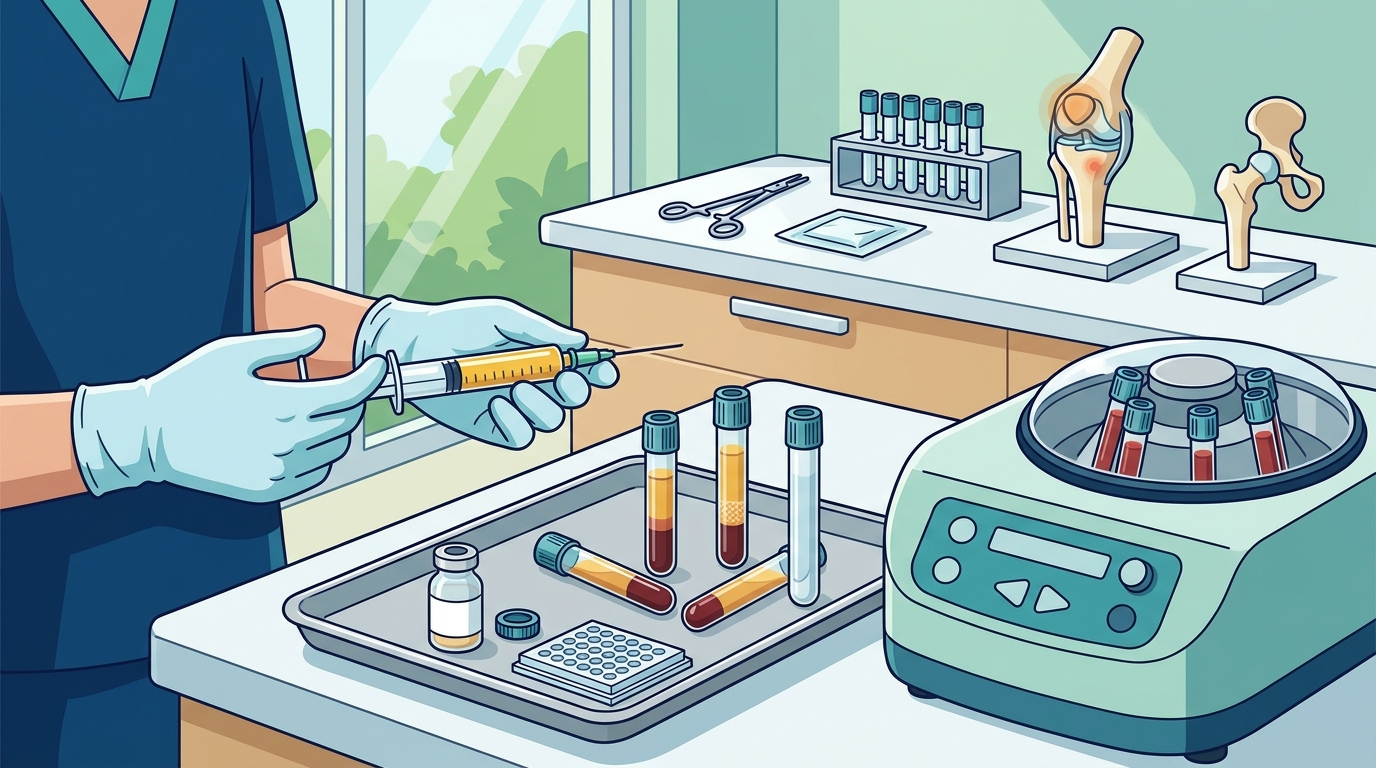
The process begins with a simple blood draw from your arm. The sample is placed in a centrifuge to separate the platelet-rich plasma from other blood components. This concentrated solution is then injected into the affected joint, such as the knee, shoulder, or elbow. Unlike corticosteroid injections, which suppress inflammation, PRP aims to address the underlying tissue damage.
At The Dynamic Care Clinic, our providers explain this biological process in detail during your consultation. Understanding that PRP works by stimulating your own healing response helps set realistic expectations for the timeline of recovery.
Identifying Your Candidacy for Treatment
Not every patient with joint pain is an ideal candidate for PRP injections. The therapy is generally most effective for patients with mild to moderate osteoarthritis or soft tissue injuries. It is less effective for severe, end-stage arthritis where the joint space has significantly narrowed.
Your provider will review your medical history and may order imaging studies to assess the extent of joint damage. Factors such as age, activity level, and the specific location of the pain all influence the decision. For example, a patient with early-stage knee osteoarthritis may respond well to PRP, while someone with severe bone-on-bone arthritis might require a different approach.
We also consider your overall health status. Patients with certain autoimmune conditions or those taking specific blood-thinning medications may need to adjust their treatment plans. A thorough evaluation ensures that PRP is the right choice for your specific situation.
What to Expect During and After the Procedure
The actual injection process is quick, typically taking less than 15 minutes. You may feel a slight sting or pressure during the injection, but the procedure is generally well-tolerated. Most patients can return to light activities immediately, though strenuous exercise is usually restricted for a short period.
Post-procedure care is crucial for optimal results. You may experience mild soreness at the injection site for a few days. This is a normal part of the healing process. Your provider will give you specific instructions on activity modification, ice application, and pain management. Avoiding non-steroidal anti-inflammatory drugs (NSAIDs) for a short period after the injection is often recommended, as they may interfere with the healing cascade.
Recovery is gradual. While some patients feel immediate relief, the full benefits of PRP often develop over several weeks to months. Consistency in following post-care instructions is key to maximizing the therapeutic effect.
Setting Realistic Expectations for Pain Relief
PRP therapy is not a cure-all, and results vary from person to person. It is a regenerative treatment designed to improve function and reduce pain over time. Many patients report significant improvements in mobility and quality of life, but the degree of relief depends on the severity of the initial condition.
It is important to view PRP as part of a comprehensive care plan. Combining injections with physical therapy, lifestyle modifications, and other regenerative therapies can enhance outcomes. At The Dynamic Care Clinic, we often integrate PRP with other treatments like stem cell therapy or IV therapy to support overall healing.
Patience is essential. The biological changes induced by PRP take time to manifest. Regular follow-up appointments allow your provider to monitor progress and adjust the treatment plan if necessary. This collaborative approach ensures that you are on the right track toward your health goals.
Choosing the Right Provider for Your Care
Selecting a qualified provider is critical for the safety and efficacy of your PRP treatment. Look for a clinic that specializes in regenerative medicine and has experience with PRP protocols. The provider should take time to explain the procedure, answer your questions, and develop a personalized plan.
At The Dynamic Care Clinic, our team includes experienced physicians and naturopathic doctors who focus on holistic health. We prioritize patient education and informed consent, ensuring you understand the risks and benefits. Our location in Gig Harbor, WA, offers a welcoming environment for patients seeking advanced care.
When evaluating a provider, ask about their specific PRP protocol, including the concentration of platelets used and the number of injections recommended. A transparent and experienced provider will guide you through every step of the process.
Key Takeaways
- PRP therapy uses your own blood to stimulate natural healing in damaged joints.
- Candidacy depends on the severity of joint damage and overall health status.
- The procedure is minimally invasive, with a quick recovery time for most patients.
- Post-procedure care, including activity modification, is essential for success.
- Results are gradual, with full benefits often developing over several weeks.
- Choosing an experienced provider who offers personalized care is crucial.
Frequently Asked Questions
How long does PRP therapy take to work?
While some patients feel immediate relief, the full benefits of PRP therapy typically develop over 4 to 12 weeks. The biological healing process is gradual, and regular follow-ups help track progress.
Is PRP therapy painful?
The injection itself may cause a slight sting or pressure, but it is generally well-tolerated. Mild soreness at the injection site is common for a few days after the procedure.
How many PRP injections will I need?
The number of injections varies based on the condition and severity. Some patients may need a single injection, while others might benefit from a series of treatments. Your provider will recommend a plan based on your specific needs.
Can I take NSAIDs after a PRP injection?
It is generally recommended to avoid NSAIDs for a short period after PRP injection, as they may interfere with the healing process. Your provider will give you specific instructions on pain management.
Who is not a good candidate for PRP?
Patients with severe end-stage arthritis, active infections, or certain autoimmune conditions may not be ideal candidates. A thorough medical evaluation is necessary to determine suitability.
Next Steps for Your Healing Journey
Understanding the basics of PRP therapy is the first step toward managing your joint pain effectively. By choosing a qualified provider and following a personalized care plan, you can support your body's natural healing potential. At The Dynamic Care Clinic, we are committed to providing compassionate, evidence-based care that empowers you to take control of your health. To begin your journey, schedule an appointment with our team today.