

Recovering from joint pain after stem cell therapy is a gradual process that unfolds over weeks and months. Patients typically experience a timeline of measurable changes, starting with initial inflammation and moving toward long-term functional improvement. Understanding these milestones helps set realistic expectations and supports a smoother healing journey.
1. Immediate Post-Procedure Phase (Days 1-3)
Expect mild soreness and localized swelling as the body initiates its response.
Following the injection, it is normal to feel some discomfort at the treatment site. This initial phase is critical because the introduced cells and growth factors begin to interact with the injured tissue. Patients are generally advised to rest the joint and avoid high-impact activities during this window.
2. The Inflammatory Response (Weeks 1-2)
Temporary increase in pain or stiffness signals the healing cascade is active.
Stem cell therapy often triggers a controlled inflammatory response, which is a necessary step for tissue repair. This phase may feel like a flare-up of symptoms, but it indicates that the biological process of regeneration has begun. Monitoring this period closely with a healthcare provider ensures the response remains within normal parameters.
3. Early Functional Improvements (Weeks 3-6)
Noticeable reduction in daily pain and improved range of motion.
As the acute inflammation subsides, many patients report feeling less pain during routine activities. The joint may begin to move more freely, allowing for a gradual return to light exercise. This is a pivotal moment where the body starts to rebuild structural integrity in the damaged area.
4. Tissue Regeneration Phase (Months 2-3)
Biological repair of cartilage and soft tissue structures begins.
Stem cells are capable of differentiating into specific cell types, such as chondrocytes for cartilage repair. During this phase, the focus shifts from pain management to structural restoration. Patients often find they can sustain longer periods of activity without experiencing the previous level of fatigue or discomfort.
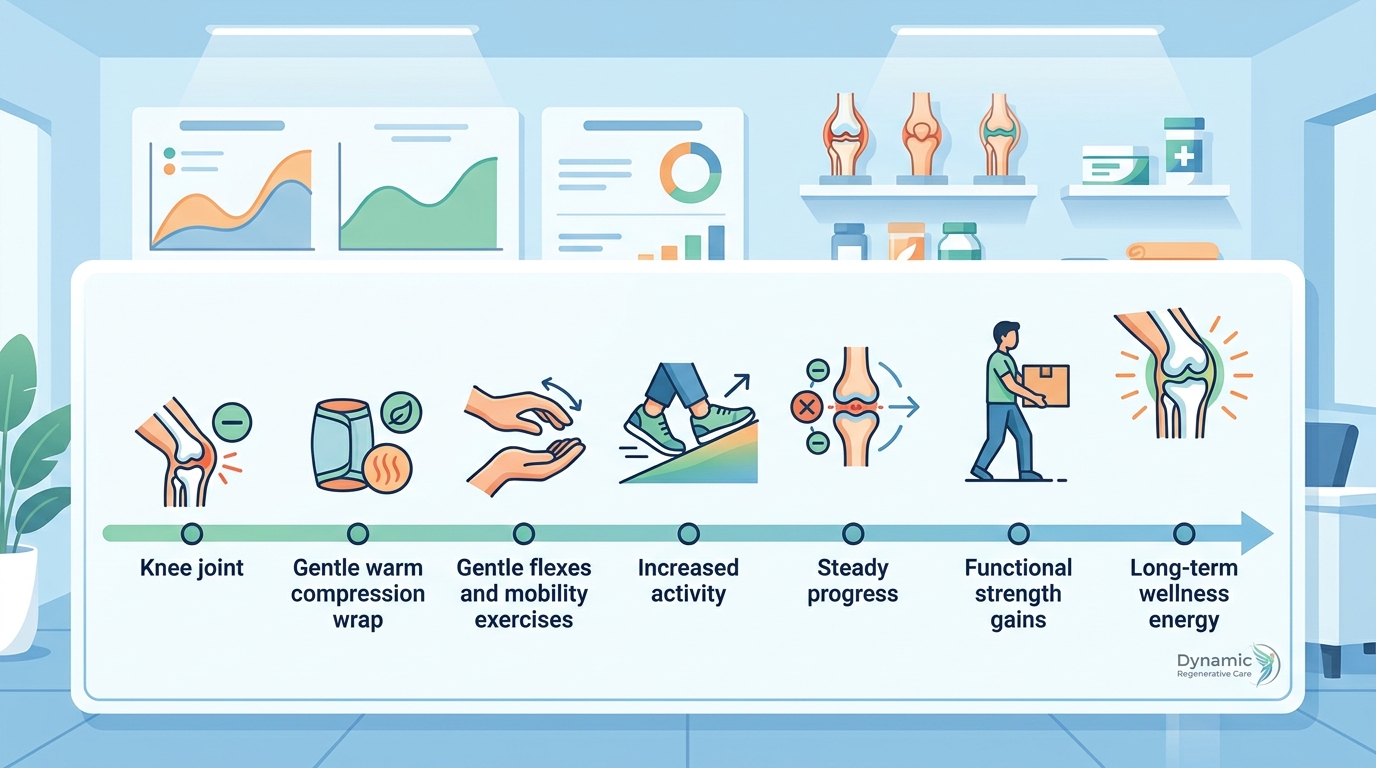
5. Strengthening and Conditioning (Months 3-6)
Gradual return to higher-impact activities and strength training.
With the underlying tissue stabilizing, physical therapy becomes a key component of recovery. Strengthening the muscles surrounding the joint provides additional support and reduces the load on the healing area. This phase is crucial for preventing re-injury and ensuring long-term stability.
6. Long-Term Functional Stability (Months 6-12)
Sustained pain relief and restored quality of life.
By the six-month mark, most patients have reached a plateau in their recovery progress. The joint functions with significantly less pain, and daily activities are no longer limited by previous restrictions. This stability indicates that the regenerative process has successfully integrated with the body's natural healing mechanisms.
7. Maintenance and Longevity (Year 1 and Beyond)
Focus shifts to preserving gains through lifestyle and periodic care.
Long-term success depends on maintaining a healthy weight, engaging in low-impact exercise, and adhering to preventive care strategies. Regular check-ups can help monitor the joint's health and address any emerging issues early. This final milestone emphasizes that recovery is a continuous journey rather than a single event.
Choosing the Right Approach for Your Recovery
Selecting the appropriate recovery plan depends on the severity of your joint condition and your personal health goals. Patients with mild degenerative changes may see faster results, while those with more advanced issues might require a longer timeline. Consulting with a specialist ensures that your expectations align with your specific biological response.
Frequently Asked Questions
How long does it take to feel the effects of stem cell therapy?
Most patients begin to notice improvements in pain and mobility within 3 to 6 weeks. However, the full benefits of tissue regeneration can take several months to manifest completely.
Is pain after the injection normal?
Mild soreness and swelling are common in the first few days. This is part of the body's natural inflammatory response to the treatment and typically subsides within a week.
Can I return to work immediately after the procedure?
It depends on the nature of your job. Sedentary roles may allow for a quick return, while physically demanding jobs may require a few days to a week of rest to protect the healing site.
How many treatments are usually needed?
Many patients achieve significant relief with a single treatment, though some may benefit from a series of sessions depending on the extent of the joint damage.
What activities should I avoid during recovery?
High-impact activities like running or jumping should be avoided for the first few weeks. Gradual reintroduction of exercise is recommended under the guidance of a physical therapist.
Does stem cell therapy cure arthritis?
Stem cell therapy aims to repair damaged tissue and reduce pain, but it is not considered a cure for all forms of arthritis. It is a regenerative approach that supports the body's healing processes.
Start Your Healing Journey
At The Dynamic Care Clinic, we provide personalized regenerative care designed to support your body's natural ability to heal. Our team in Gig Harbor, WA, is dedicated to guiding you through every milestone of your recovery with compassion and expertise. To discuss your options and schedule a consultation, today.